

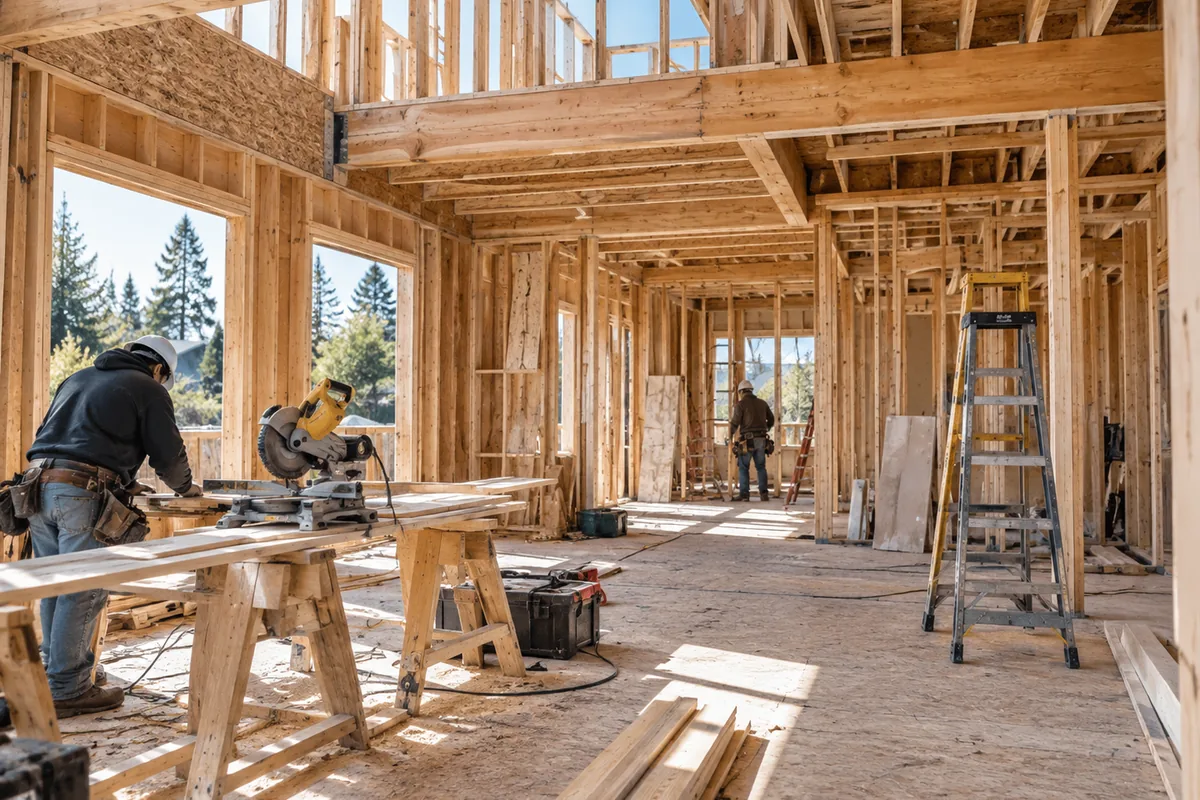
How Professional Contractors Protect Your Home’s Wiring and Plumbing
When planning a home remodel, it is easy to get caught up in selecting beautiful finishes like quartz countertops, custom cabinetry, or modern plumbing fixtures. However, the true quality of a luxury residential remodel depends heavily on what happens behind the walls before the drywall is ever installed.A professional, high-quality renovation requires meticulous attention to detail during the rough-in phase of construction. One critical, yet often overlooked, step in this process is the installation of structural protection components designed to safeguard your home’s infrastructure. Understanding these hidden details can help homeowners recognize the standard of craftsmanship required for a safe and durable renovation.
The Role of Infrastructure Protection in Remodeling
During a full home, kitchen, or bathroom remodel, walls are stripped down to the studs to run new electrical wiring and plumbing lines. Once these utilities are inspected and approved, the framing is enclosed with drywall.Drywall installation requires securing heavy panels to the wooden or metal studs using specialized drywall screws. Because electrical wires and water pipes are routed through holes drilled directly through the center of these same studs, they run a high risk of being accidentally punctured by a screw during this process.To prevent this hidden danger, professional contractors utilize specialized safety hardware known as strike plates (also commonly referred to as nail plates or stud guards).
What is a Strike Plate?
A strike plate is a heavy-duty, protective metal plate installed directly onto the face of a framing stud. It is strategically placed anywhere an electrical wire or plumbing line passes through the wood framing.The primary purpose of a strike plate is to act as a physical barrier. When a craftsman drives a drywall screw into the stud, the hardened metal plate stops the screw from penetrating deep into the wood where the utility lines reside.
Protecting Electrical Systems from Damage
Electrical safety is paramount in residential construction. When new wiring is routed through a home, it must remain entirely intact to function safely.If a drywall screw punctures an electrical wire during installation, it can slice through the protective plastic sheathing and contact the copper conductors inside. This can result in:
- Electrical Shorts: The damaged wire can cause an immediate short circuit, disrupting power to the circuit.
- Hidden Fire Hazards: A partially damaged wire can arc behind the wall over time, creating a severe fire risk that is completely hidden from view.
- Costly Repairs: Finding the exact location of a pierced wire after the walls are painted and finished requires tearing out brand-new drywall, significantly delaying the project.
By installing a metal strike plate in front of every electrical wire crossing a stud, builders ensure that screws bounce off the barrier rather than piercing the delicate infrastructure.
Preventing Hidden Plumbing Leaks
Strike plates are equally vital for protecting plumbing infrastructure, including both supply lines and drain pipes. Water lines often run through the same tight wall cavities as electrical systems.If a drywall screw penetrates a copper, PEX, or PVC water line, the consequences can be devastating:
- Slow Subsurface Leaks: A screw might partially plug the hole it creates, leading to a slow, undetected leak inside the wall cavity.
- Mold and Rot: Over weeks or months, a hidden leak will saturate the framing, insulation, and drywall, leading to toxic mold growth and structural wood rot.
- Catastrophic Water Damage: If a high-pressure water line is fully punctured, it can cause immediate flooding, destroying flooring, cabinetry, and ceilings below.
Placing heavy-duty metal guards in front of all water lines guarantees that the integrity of the plumbing system remains uncompromised during the hanging of drywall.
The Sign of True Craftsmanship
The use of strike plates is a key indicator of a contractor’s commitment to quality. While these plates are inexpensive, taking the time to precisely locate every vulnerable utility line and secure a protective plate over it requires discipline, foresight, and thoroughness.When evaluating a residential design-build company, homeowners should look for these hidden structural best practices. A luxury remodeling firm does not cut corners on hidden safety measures, ensuring that your home remains safe, efficient, and beautiful for decades to come.
Frequently Asked Questions
Are strike plates required by building codes?Yes, national and local building codes typically require protective building hardware like strike plates or nail guards whenever an electrical wire or plumbing pipe is within a certain distance (usually 1.25 inches) from the edge of the framing stud.Can I tell if a strike plate was used after the drywall is up?Once the drywall is taped, mudded, and painted, strike plates are completely invisible. This is why it is crucial to work with a trusted, certified contractor who documents the rough-in phase and maintains rigorous quality control standards before closing up the walls.What other protective measures should be taken during the rough-in phase?In addition to strike plates, professional builders ensure correct wire gauge utilization, proper pipe insulation to prevent water noise or freezing, and secure anchoring of all utility lines to prevent movement inside the walls.
If you are planning a full home transformation or kitchen renovation in the Bay Area, consulting with an experienced design-build firm can help optimize your budget, permits, and design choices. For professional guidance tailored exactly to your home’s layout goals, you are welcome to connect with us today.
- Schedule a Consultation: lemonremodeling.com/schedule-now
- See Our Work: Read verified client testimonials here
- Call Direct: 510-254-3211